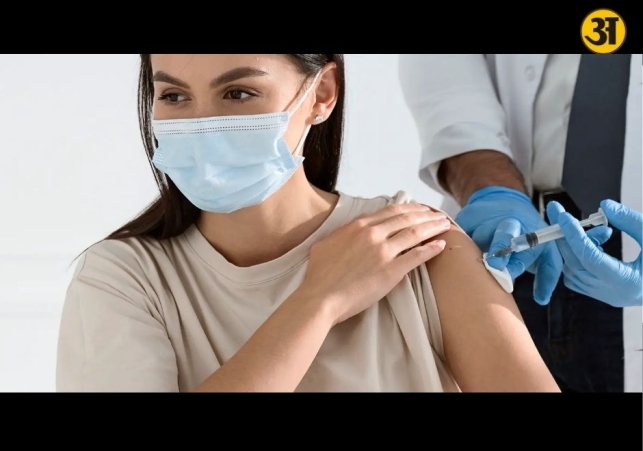
How to take care after getting the HPV vaccine
HPV vaccine aftercare: Simple dos and don’ts after the shot
Getting the HPV vaccine is an important step in protecting against serious infections and several types of cancer. The vaccine is recommended for children, teenagers, and young adults, and in some cases for older people as well. While the vaccine is safe and widely used, taking proper care after the injection helps reduce discomfort and supports a smooth recovery.
Aftercare is simple and does not require major lifestyle changes. Most people only experience mild side effects that go away on their own in a few days. Knowing what to expect and what to avoid after the HPV shot can help both parents and adults feel relaxed and confident.
What to do after the HPV shot
After receiving the HPV vaccine, it is normal to feel a little uncomfortable. Mild pain, redness, or swelling at the injection site is the most common reaction. This usually improves within two to three days. Applying a clean, cool cloth or ice pack to the area for a short time can help reduce pain and swelling. The arm should be moved gently instead of kept completely still, as light movement can reduce stiffness.
It is advised to stay at the clinic or hospital for at least 15 to 30 minutes after vaccination. This allows healthcare staff to monitor for rare reactions such as dizziness, fainting, or allergies. Teenagers, in particular, may feel lightheaded after the shot. Sitting or lying down for some time helps prevent falls or injuries.
Drinking enough water is very important after vaccination. Fluids help the body recover and reduce symptoms like headache or tiredness. Water, fresh juices, and soups are good options. Proper rest also supports recovery, so taking it easy for the rest of the day is a good idea.
Some people may experience mild fever, body aches, headache, or tiredness. These symptoms are common and usually short-lived. If advised by a doctor, medication may be taken for pain or fever. It is important not to take medicines on your own without medical advice, especially for children.
Children should eat a light meal before or after vaccination. Heavy or oily food should be avoided for the day, as it may cause discomfort. Parents should ensure that children remain calm, hydrated, and relaxed after the shot.
Normal daily activities can usually be continued after vaccination. School, office work, and light household tasks are generally safe. Completing the full vaccine schedule is also very important. If a dose is missed, there is no need to restart the series. The next dose can be taken as advised by the doctor.
What to avoid and when to seek help
There are a few things that should be avoided after getting the HPV vaccine. Massaging or rubbing the injection site should not be done for at least 24 hours, even if the area feels sore. This can worsen pain or swelling.
Strenuous physical activity should be avoided for a day or two. Children and teenagers should not engage in intense sports, running, or heavy exercise immediately after vaccination. Adults should also avoid heavy workouts during this time. The body needs some rest to respond properly to the vaccine.
Smoking and alcohol consumption should be avoided after vaccination, especially for adults. These habits can interfere with the body’s recovery process and may increase discomfort. Pregnant women should always inform their doctor before receiving the HPV vaccine and strictly follow medical advice.
ALSO READ: Netanyahu’s taped phone camera sparks online debate over digital safety
ALSO READ: India-EU trade deal set to cut costs for Indian buyers
While most side effects are mild, it is important to watch for warning signs. A doctor should be contacted if there is a high fever lasting more than 48 hours, severe pain, increasing redness or swelling at the injection site, breathing difficulty, or any unusual skin reaction. These reactions are rare but need prompt medical attention.
Parents should closely observe children for the first day after vaccination. If a child feels dizzy, very weak, or unusually unwell, medical help should be sought. Keeping communication open and reassuring the child can also help reduce anxiety.
Aftercare for adults is mostly the same as for children. Adults should rest well, stay hydrated, and avoid overexertion. Even though side effects are usually mild, paying attention to the body’s signals is important.
The HPV vaccine is a powerful tool for long-term health protection. Proper rest, hydration, and simple precautions help the body build strong immunity. By following these easy dos and don’ts, people can recover comfortably and gain the full benefit of the vaccine. Clearing doubts with a healthcare professional and completing the vaccination schedule ensures better protection and peace of mind for the future.
Related News